

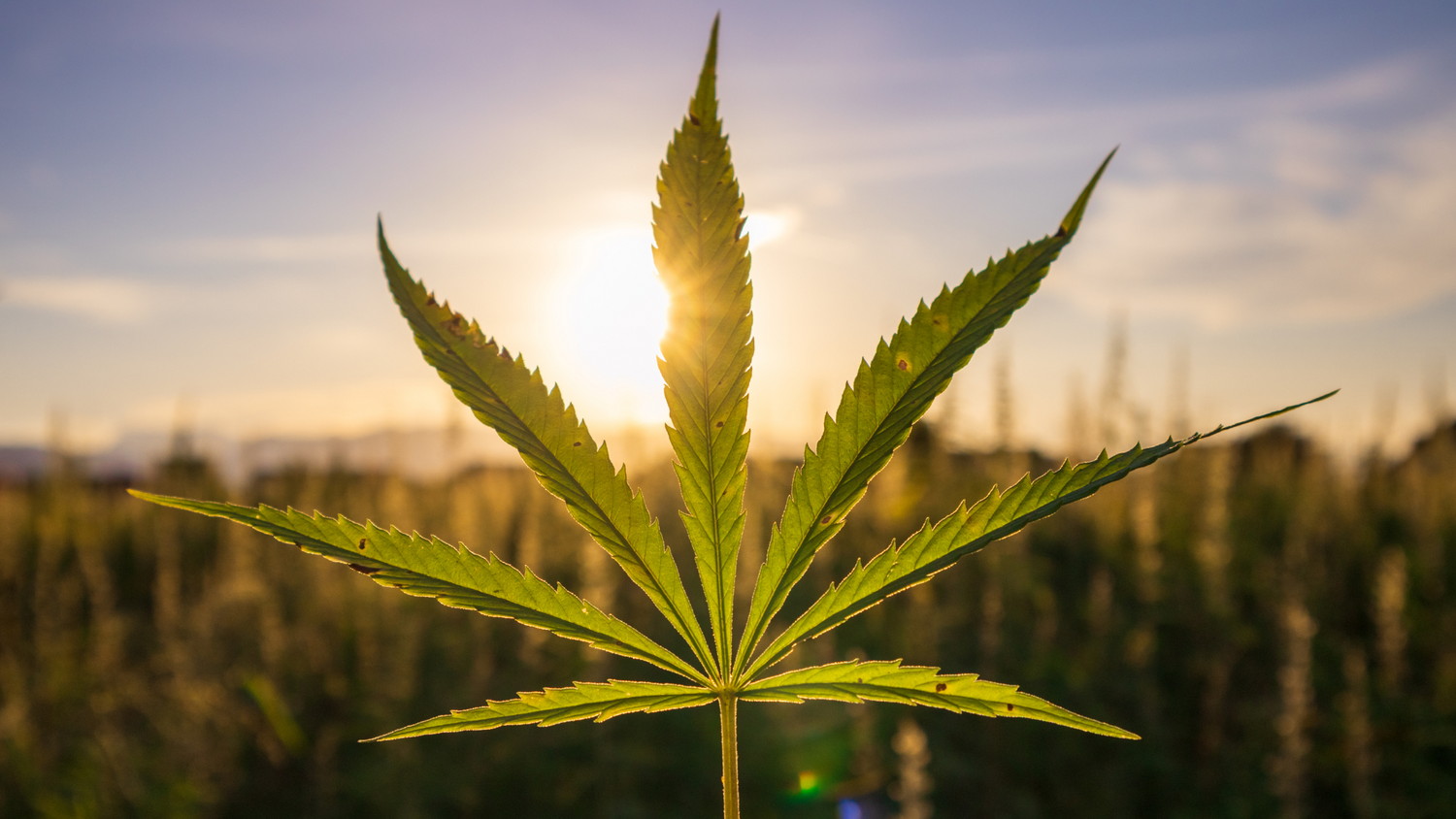

In this article, we will thoroughly explore THC (Tetrahydrocannabinol), the most well-known cannabinoid in the cannabis plant. We will examine its origin, effects, medical applications, and much more. Learn what makes THC so unique and how it affects your body.
What Makes THC So Special
Natural Occurrence in the Cannabis Plant
It is a cannabinoid that occurs naturally in the cannabis plant. It is extracted from the resin glands of the flowers and leaves. These resin glands produce a sticky substance that is rich in THC and other cannabinoids. The extraction of THC from hemp is an important step in the production of THC-containing products.
Synthetic Production
Although THC occurs in nature, it is also produced synthetically, especially for medical purposes. This synthetic form of THC can be precisely dosed and is used in various medical products.
How Does THC Work?
THC interacts with your endocannabinoid system (ECS). It binds to cannabinoid receptors in your brain and throughout your body, leading to various effects. One of the most remarkable effects of THC is the psychoactive effect, which creates a feeling of euphoria or "being high." It can also alter your sensory perception and time perception.
Different Cannabinoid Receptors
There are two main types of cannabinoid receptors, CB1 and CB2. THC binds mainly to CB1 receptors, which are primarily found in the brain. This binding leads to the typical psychoactive effects of THC.
Medical Applications of THC
Although THC is primarily known for its psychoactive effect, it also has medical potential. In some countries, THC is used to treat conditions such as anorexia and cachexia in HIV/AIDS patients. It can also reduce nausea and vomiting and is helpful in relieving pain.
Use in Pain Therapy
THC has pain-relieving properties and is often used to treat chronic pain. It can be effective in various conditions such as cancer, arthritis, and neuropathic pain.
Antiemetic Effect
Another important medical application of THC is combating nausea and vomiting, especially in cancer patients undergoing chemotherapy.
Research on THC
Research on THC and its effects on the human body is a constantly evolving field. Scientists and physicians continue their efforts to gain a deeper understanding of this fascinating cannabinoid.
Potential in Mental Health Disorders
A current focus of research is on the potential of THC in treating mental health disorders. There are promising indications that THC could help in managing PTSD (Post-Traumatic Stress Disorder) and anxiety, especially in people who do not respond to conventional therapies.
Use in Pain Therapy
Furthermore, the use of THC in pain therapy is being intensively studied. The pain-relieving properties of THC could play an important role in treating chronic pain, which often poses a major challenge for patients.
The Role of Raphael Mechoulam
Raphael Mechoulam, a respected chemist, played a key role in THC research. In the 1960s, he first isolated THC from cannabis and identified its chemical structure. This groundbreaking work laid the foundation for understanding cannabinoids and their effects.
How is Tetrahydrocannabinol Detected?
THC can be detected through various tests, including urine, blood, and hair tests. A common test is the detection of THC-COOH, a metabolite of THC in the body. The detectability of THC can vary depending on the method of consumption and individual metabolic rate.
THC Detection in Various Samples
The detectability of THC depends on the sample. For example, THC is detectable longer in urine samples than in blood samples. This has implications for drug and workplace safety tests.
Legality and FDA Approval
The legal situation of THC varies from country to country. In some countries, possession and use of THC-containing cannabis is illegal, while in other countries medical cannabis with THC is approved. In the USA, the FDA recently approved a medication called Epidiolex, which contains THC and is used to treat epilepsy.
Regulation of the Cannabinoid
The regulation of THC is a complex topic. It is important to know the laws and regulations in your country or state if you want to use THC-containing products.
How was THC Discovered?
The discovery of THC dates back to 1964, when Israeli chemist Raphael Mechoulam and his team first isolated this fascinating cannabinoid and deciphered its chemical structure. This discovery marked the beginning of extensive research work on THC and other cannabinoids.
The discovery of THC has opened the door to further research on cannabinoids. Today we know much more about the diverse effects of these compounds.
THC and its Diverse Effects
THC not only acts psychoactively but also has various other effects on the body. It can relieve pain, reduce nausea, and stimulate appetite. This makes it an important component in medical cannabis therapy. It interacts with cannabinoid receptors in the endocannabinoid system and thus influences many physiological processes.
Pain Relief
THC has pain-relieving properties and can help in treating chronic pain, neuropathic pain, and other painful conditions.
Appetite Stimulation
One of the most well-known effects of THC is appetite stimulation, also known as "the munchies." This can be particularly helpful for patients suffering from loss of appetite.
Reduction of Nausea and Vomiting
THC has proven effective in reducing nausea and vomiting, especially in cancer patients undergoing chemotherapy.
The Future of THC in Medicine
Research on THC and its medical applications continues. There are ongoing studies investigating the potential of THC in treating mental health disorders such as PTSD and anxiety. The future could bring even more applications for this fascinating cannabinoid.
Conclusion
THC (Tetrahydrocannabinol) is a versatile cannabinoid with a fascinating history and diverse applications. It was first discovered in the 1960s and has since attracted the attention of researchers and doctors worldwide. The research of THC and its medical applications is an exciting and ongoing field of medical science.
Visit our webshop at cbd-shinygram.de. Here you will find a wide selection of high-quality CBD products and can learn about the various strengths and applications. We are always available to answer your questions and support you in your selection. Stop by and dive into the fascinating world of CBD.


Leave a comment
This site is protected by hCaptcha and the hCaptcha Privacy Policy and Terms of Service apply.