

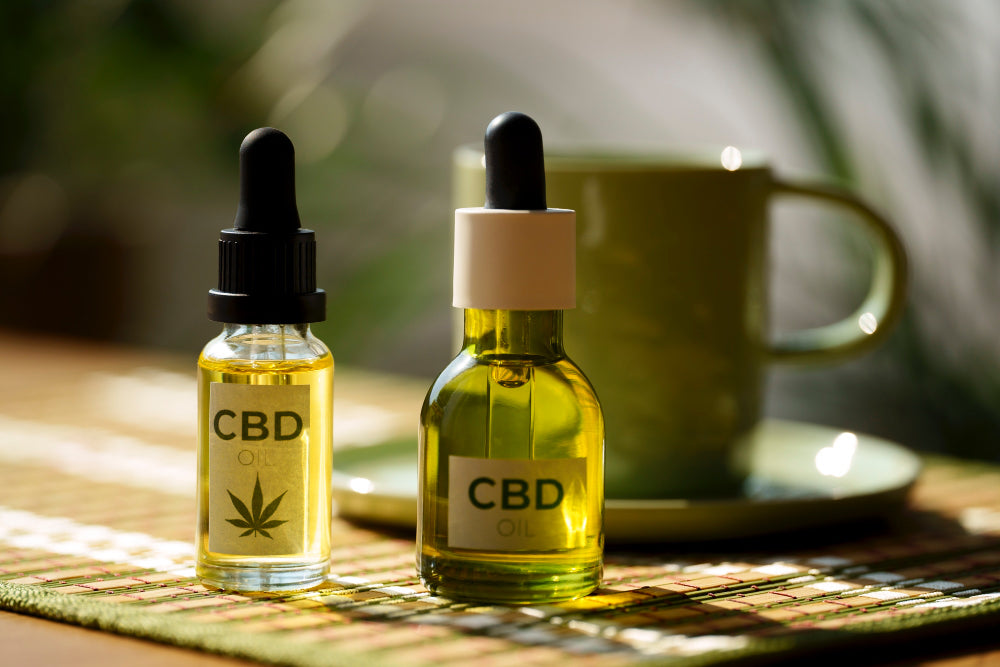

The safe application of hemp oil for dogs is crucial to achieve the best results and avoid possible side effects. It's important to know the right dosage and understand how to effectively administer the oil. Here are some tips to ensure that your dog benefits from the advantages of hemp oil.
Dosage Recommendations
The dosage of hemp oil depends on several factors, including your dog's weight, overall health, and the reason for using the oil. As a general guideline, a starting dose of 1/4 teaspoon per 10 kilograms of body weight can be recommended. This dose can be gradually increased if no negative reactions occur and you notice positive effects. It's always advisable to start with a lower dose and increase it slowly to find the optimal amount for your dog.
Administration Methods
Hemp oil can be administered in various ways, depending on what works best for your dog. The most common method is to add the oil directly to your dog's food. Most dogs accept the oil well when it's mixed with their regular food. Alternatively, you can also give the oil directly into your dog's mouth, which can be particularly useful if you want to ensure precise dosing. For dogs that don't like the taste, there are also hemp oil capsules that may be easier to administer.
Possible Side Effects of Hemp Oil for Dogs
Although hemp oil offers many health benefits, it's important to be aware of possible side effects. By monitoring your dog after administering hemp oil, you can ensure that he tolerates the oil well and no unwanted reactions occur.
Common Side Effects
The most common side effects of hemp oil in dogs include mild gastrointestinal complaints such as diarrhea or nausea. These symptoms usually occur when the dose is too high or when the dog receives hemp oil for the first time. In most cases, these side effects are mild and temporary. However, if they persist or are severe, the dosage should be reduced or the administration of the oil should be discontinued entirely.
How to Monitor Your Dog
After introducing hemp oil into your dog's diet, it's important to closely observe his health condition. Watch for changes in your dog's behavior, appetite, and general well-being. Note any unusual symptoms and consult a veterinarian if you have concerns. Through regular monitoring, you can ensure that your dog tolerates hemp oil well and achieves the desired benefits.
The Best Choice of Hemp Oil for Dogs
When buying hemp oil for your dog, it's important to focus on quality and purity. A high-quality hemp oil ensures that your dog receives the best health benefits and potential contaminants are avoided. Here are some criteria you should consider when selecting hemp oil.
Quality and Purity
The quality and purity of hemp oil are crucial for its effectiveness and safety. Make sure the hemp oil is made from cold-pressed hemp seeds, as this process best preserves the nutrients. Additionally, the oil should be free from pesticides, heavy metals, and other contaminants. Certificates from independent laboratory tests can help you verify the purity of the oil. These tests should confirm the concentration of important ingredients as well as the absence of harmful substances.
Organic vs. Non-Organic
When purchasing hemp oil, you have the choice between organic and non-organic products. Organic hemp oil is grown without the use of synthetic pesticides and fertilizers, making it a safer and more environmentally friendly option. Organic products also undergo stricter controls and certification processes that ensure their quality. Non-organic hemp oil can also be of high quality, but there's a higher risk that it contains residues of pesticides or other chemicals. If possible, choose organic hemp oil to ensure you're giving your dog the purest and safest product possible.
Consulting with the Veterinarian About Hemp Oil for Dogs
Before integrating hemp oil into your dog's diet, it's advisable to consult a veterinarian. Professional advice can help you determine the best approach and ensure that hemp oil is the right choice for your dog.
The Importance of Professional Advice
A veterinarian can assess your dog's specific needs and determine whether hemp oil is suitable for him. This is particularly important if your dog already has health problems or is taking other medications. The veterinarian can also recommend the right dosage and give you guidance on how to best manage the introduction of the oil. By consulting with a professional, you minimize the risk of side effects and maximize the health benefits for your dog.
Integration of Hemp Oil into Your Dog's Diet
The integration of hemp oil into your dog's diet should be done gradually. Start with a small amount and observe how your dog reacts to it. The veterinarian can help you determine the right starting dose and adjust it if necessary. Make sure to distribute the oil evenly in the food to ensure uniform absorption. Over time, you can increase the dose until you find the optimal amount that provides the desired health benefits.

1 comment
ceenqerllo
Muchas gracias. ?Como puedo iniciar sesion?
Leave a comment
This site is protected by hCaptcha and the hCaptcha Privacy Policy and Terms of Service apply.