



In recent years, CBD has become one of the most sought-after natural remedies, particularly in the cannabis community. The growing demand for this non-psychoactive cannabinoid is due to its diverse health benefits, which appeal to more and more people seeking natural alternatives to conventional medications. In this blog post, we will thoroughly examine the fundamentals of CBD, its effects on the human body, its areas of application, and the legal framework. Our goal is to provide you with a comprehensive overview of this fascinating cannabinoid and show you why CBD represents a promising therapeutic agent.
What is CBD?
CBD, short for cannabidiol, is one of over 100 cannabinoids found in the cannabis plant. Unlike THC, which is responsible for the psychoactive effects of cannabis, CBD does not cause intoxication and therefore has no consciousness-altering effects. This property makes CBD particularly interesting for medical applications, as it has numerous positive effects on the body without making the user "high." CBD interacts with the body's endocannabinoid system (ECS), a network of receptors involved in regulating many vital functions, including sleep, appetite, pain perception, and immune responses. This interaction can lead to harmonization of internal balance, which explains why CBD can be helpful for so many different ailments.
The Effects of CBD
CBD has generated great interest in the medical community due to its versatile effects on the human body. It interacts with the endocannabinoid system (ECS), which plays a central role in regulating numerous physiological processes, including pain perception, mood, sleep, and immune responses. This interaction enables CBD to positively affect the body in various ways, making it a promising agent for treating a range of health problems.
How CBD Works in the Body
CBD primarily works by modulating CB1 and CB2 receptors in the endocannabinoid system. These receptors are distributed throughout the body and play a key role in maintaining the balance of various biological functions. CB1 receptors are mainly found in the brain and central nervous system and influence processes such as pain perception, appetite, and mood. CB2 receptors, on the other hand, are predominantly located in the immune system and peripheral tissues and are responsible for regulating inflammatory processes. Through interaction with these receptors, CBD can, for example, reduce inflammation, relieve pain, and stabilize mood. Additionally, CBD influences serotonin receptors in the brain, which could explain why it can also be helpful for anxiety disorders and depression.
Scientific Studies on CBD
Scientific research on CBD has increased significantly in recent years. Numerous studies have investigated the diverse therapeutic potentials of CBD and demonstrate that it can be effective for a range of health problems. The application of CBD for epilepsy is particularly well-studied, where it has proven highly effective in reducing seizures, especially in rare and severe forms of the disease. But also in other areas, such as pain therapy, treatment of anxiety and sleep disorders, and anti-inflammatory effects, studies show positive results. While research is still in its early stages, the current findings are promising and suggest that CBD could play an even greater role in medicine in the future.
Areas of Application for CBD
CBD is an extremely versatile natural product that can be used for a variety of health problems. Its application possibilities are diverse, and as scientific research in this area continues to make progress, new potential areas of use are constantly being discovered. From pain relief to treatment of severe neurological diseases – CBD has the potential to play an important role in many areas of medicine.
What Diseases Does CBD Help With?
CBD has proven useful in treating a variety of diseases. It shows particularly promising effects for chronic pain by inhibiting inflammation and reducing pain perception. People with arthritis, fibromyalgia, or back pain often report significant improvement in their symptoms through CBD intake. Furthermore, there are indications that CBD can also be helpful for anxiety disorders and depression, as it promotes serotonin release in the brain and thus has mood-lifting effects. CBD also shows positive effects for neurological diseases such as epilepsy or multiple sclerosis by reducing the frequency and severity of seizures and alleviating muscle spasticity. Additionally, there are studies indicating a possible antipsychotic effect of CBD, making it a potential treatment option for schizophrenia and other mental disorders.
Differences in Application
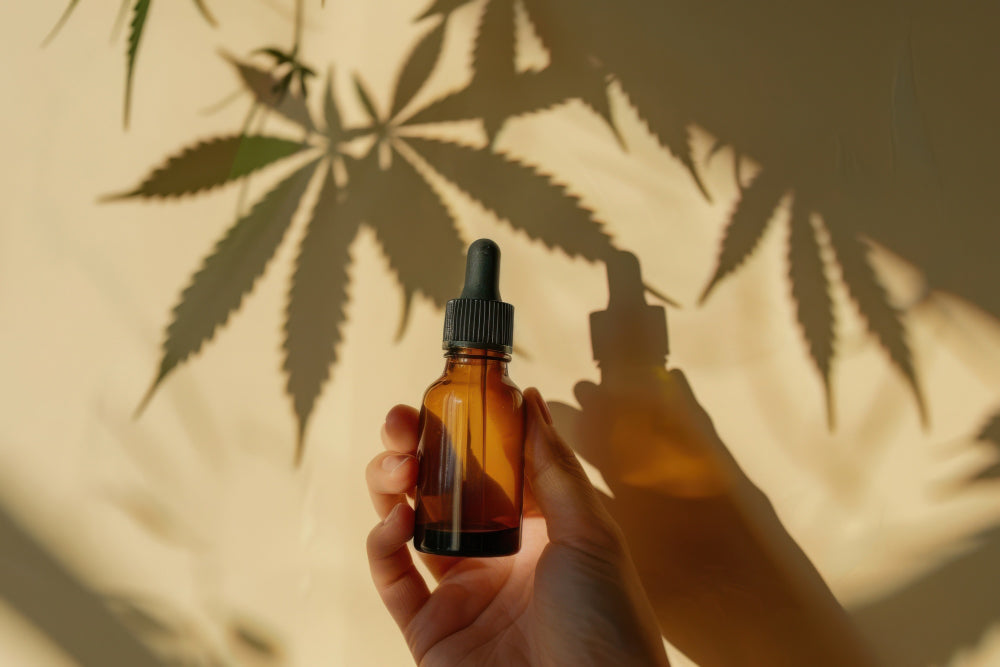
The way CBD is applied can vary depending on the disease pattern and individual needs. The most commonly used form is CBD oil, which is taken sublingually and develops rapid effects. For people who prefer continuous release of the active ingredient, CBD capsules or tablets may be the better choice. This form is particularly suitable for daily intake in chronic diseases. For skin problems or inflammation directly under the skin, such as with arthritis, topical application in the form of CBD creams or balms can be more effective. Dosage also plays an important role: while low-dose products may be sufficient for mild complaints, higher doses are often required for more severe conditions. It is therefore important to customize the application individually and possibly discuss it with a doctor to achieve the best results.
Safety and Side Effects of CBD
Although CBD is generally considered safe and well-tolerated by many people, it is important to be aware of possible side effects and interactions with other medications. Particularly at higher doses or with prolonged use, side effects may occur that should be noted. Additionally, there are certain medications with which CBD can interact, which can lead to unwanted effects.
Known Side Effects
Most people tolerate CBD well, but there are some side effects that can occur with intake. The most common include fatigue, diarrhea, and changes in appetite or weight. These side effects are usually mild and temporary but can be intensified particularly at high dosages. In rare cases, dizziness or dry mouth can also occur. However, these side effects usually only occur at higher doses and are generally not concerning. Nevertheless, it is advisable to start CBD intake slowly and gradually increase the dose to accustom the body to the active ingredient and minimize possible side effects.
Interactions with Medications
CBD can interact with various medications, particularly those metabolized by the cytochrome P450 enzyme system in the liver. This enzyme system is responsible for breaking down many medications, and CBD can inhibit or enhance its activity, which can change the concentration of medications in the blood. This can lead to unwanted effects, such as intensification of effects and associated side effects or weakening of effects, which could impair the medication's effectiveness. Particular caution is advised with blood thinners, antidepressants, and antiepileptics. Therefore, it is important to consult a doctor before taking CBD, especially in higher doses, to discuss potential risks and interactions and adjust intake accordingly.
Legal Status of CBD
The legal status of CBD varies worldwide and can differ significantly from country to country. In Germany and many other European Union countries, CBD is legal under certain conditions, though this is not the case everywhere. Therefore, it is important to know the legal regulations before purchasing or using CBD products.
Legal Regulations in Germany
In Germany, the sale of CBD products is legal as long as the THC content is below 0.2%. This regulation ensures that CBD products do not cause psychoactive effects and are therefore free from the restrictive regulations of the Narcotics Act (BtMG). CBD oils, capsules, and other products that comply with this limit can therefore be legally purchased in pharmacies, drugstores, and through online shops. However, it is important that these products may not be advertised as medicines unless they are appropriately licensed. This means that manufacturers and sellers may not make health-related claims indicating therapeutic effects unless it is an officially approved medication. This can be confusing for consumers, as many products are sold as dietary supplements that may offer therapeutic benefits but cannot be advertised as such.
Differences from Other Countries
While Germany has clear and strict regulations for the sale and use of CBD products, the legal situation varies considerably in other countries. In the United States, for example, CBD has been legal at the federal level since the passage of the 2018 Farm Bill, provided it is derived from hemp and the THC content is below 0.3%. Nevertheless, there are different regulations from state to state regarding the sale and use of CBD products. In some states, the sale of CBD products is completely legal, in others there are restrictions, and in a few states CBD is still illegal. In countries like Japan, CBD is legal as long as it contains no THC, while in other countries like Singapore and the United Arab Emirates it is strictly prohibited. These differences make it particularly important for travelers and expats to inform themselves about local laws before carrying CBD products with them or purchasing them locally.
Conclusion
CBD is a promising natural product with numerous application possibilities. Its popularity is steadily growing, and the legal framework continues to evolve. Current research results suggest that CBD could represent a valuable addition in many areas of medicine, but further studies are needed to fully understand CBD's full potential and long-term effects.
Summary of Key Points
CBD offers a wide range of potential health benefits, ranging from pain relief to treatment of anxiety disorders to support for neurological diseases. Despite the diverse positive effects, it is important to inform oneself about proper application and possible side effects. Especially for people who already take other medications, it is advisable to clarify CBD intake with a doctor to avoid possible interactions. The legal situation in Germany is clearly regulated, but those traveling abroad or living there should inform themselves about respective regulations to avoid legal problems.
Outlook and Future Developments
Research on CBD is still in its early stages, but current results are promising. Future studies could reveal additional applications and help better understand CBD's effects. The legal situation will also likely continue to develop, which could facilitate access to high-quality CBD products. At the same time, increasing acceptance of CBD as a therapeutic agent could enable more people to benefit from the health advantages of this cannabinoid. Furthermore, continued research on cannabinoids could lead to new, even more effective products specifically tailored to specific health problems.


1 comment
nvsuvsagpy
Muchas gracias. ?Como puedo iniciar sesion?
Leave a comment
This site is protected by hCaptcha and the hCaptcha Privacy Policy and Terms of Service apply.