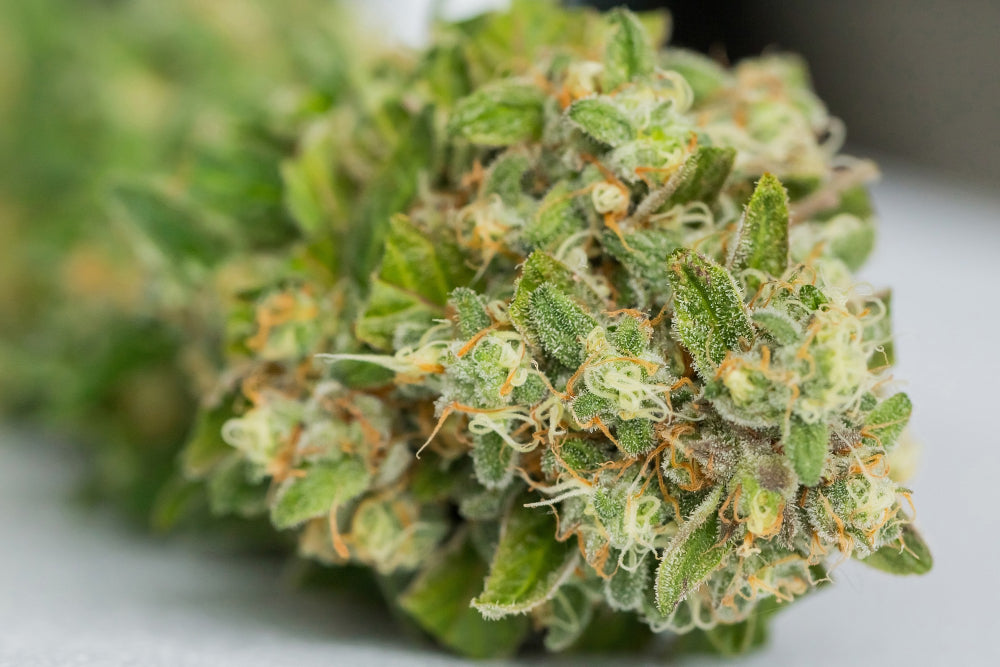
Delta-9 Cannabis – A Comprehensive Insight

Cannabis Pflanze

Delta-9 Tetrahydrocannabinol, better known as Delta-9 THC, is the primary psychoactive cannabinoid in the cannabis plant and plays a central role in discussions about cannabis, both as medicine and as a recreational drug. This molecule is responsible for most of the psychological effects associated with cannabis consumption, including the feelings of euphoria and relaxation often associated with the "high." The complex effects of Delta-9 THC on the human brain and body make it both an interesting research subject and an important topic in current health and legislative policy.

Fundamentals of Delta-9 THC and its psychoactive effects

Delta-9 THC works primarily through interaction with the body's endocannabinoid system, which plays an important role in regulating various physiological processes, including pain, appetite, mood, and memory. THC's binding to cannabinoid receptors in the brain – particularly CB1 receptors – leads to changes in neurotransmitter release and results in diverse psychoactive effects. These can range from deep relaxation to intensified sensory perceptions or a feeling of time distortion.

The growing importance of cannabis in medicine and society

In recent years, cannabis, especially due to its Delta-9 THC content, has gained importance in the medical world. Studies show that THC can potentially be used effectively in treating various medical conditions, including chronic pain, multiple sclerosis, and the side effects of chemotherapy. These medical applications have led to more and more countries relaxing cannabis laws or developing special programs for medical cannabis. At the same time, the social perception of cannabis remains a mixture of historical stigmatization and increasing acceptance, especially in cultures that recognize that the benefits may outweigh the potential risks.

Effects of Delta-9 THC: An overview of psychoactive and therapeutic effects

Delta-9 THC is a cannabinoid known for its diverse effects on the human body. These effects are not limited to the well-known psychoactive properties but also include a range of therapeutic effects that make it an interesting candidate for treating various medical conditions. The dual nature of THC means it can be viewed both as a source of enjoyment and as a medical aid, making it a particularly versatile molecule in the world of pharmacology and beyond.

Psychological effects of Delta-9 THC on the human brain

The psychological effects of Delta-9 THC are diverse and can vary greatly depending on the dose, form of consumption, and individual chemistry of the user. Typical psychological effects of THC include elevated mood, feelings of euphoria, altered perception of time and space, and in some cases, anxiety or paranoia. These effects result from THC's interaction with cannabinoid receptors in the brain, particularly in the prefrontal cortex, hippocampus, and basal ganglia, which regulate mood, memory, and movement.

Physical effects and pain relief through Delta-9 THC

In addition to psychological effects, Delta-9 THC also has a range of physical effects. THC is known to have muscle-relaxing properties, reduce intraocular pressure (making it useful in treating glaucoma), and has antiemetic properties that make it effective in combating nausea and vomiting, especially after chemotherapy. Additionally, THC is valued for its analgesic (pain-relieving) properties, making it useful in treating chronic pain conditions such as those occurring in multiple sclerosis or cancer. These physical effects make Delta-9 THC a valuable tool in palliative medicine and in therapeutic contexts aimed at symptom relief.


Medical application of Delta-9 THC: From pain management to cancer treatment

Delta-9 THC has gained significant recognition in the medical world, particularly due to its versatile therapeutic properties. THC's ability to alleviate various symptoms makes it a valuable component in treating many serious conditions. From pain therapy to relieving the side effects of cancer treatments, Delta-9 THC offers patients a natural and often effective alternative to conventional medications. Research in this area is constantly evolving, and more and more clinical studies are demonstrating the positive effects of THC in various medical contexts.

Use of Delta-9 THC in pain therapy and its benefits

The use of Delta-9 THC in pain therapy is one of the best-documented medical applications of cannabis. THC acts as an analgesic by modulating pain signals in the brain and nervous system. This is particularly helpful for chronic pain that doesn't respond to conventional treatments. Patients with neuropathic pain, fibromyalgia, and rheumatoid arthritis often report significant pain reduction through the use of THC-containing products. The benefits of THC include not only pain reduction but also improved sleep quality and reduced inflammation in the body.

Support from Delta-9 THC for chemotherapy side effects

Delta-9 THC also plays an important role in oncology, particularly in alleviating chemotherapy side effects. Nausea and vomiting are common and distressing side effects of these treatments. THC has proven effective in controlling these symptoms and improving patient well-being. Additionally, THC can help stimulate appetite and prevent weight loss in cancer patients. These properties make THC a valuable component of supportive therapy that can significantly improve patients' quality of life and help them better cope with intensive treatment.

Legal aspects and status: Delta-9 THC in international comparison

The legal landscape for Delta-9 THC is very different and often complex worldwide. In some countries, the medical significance of THC is recognized and supported, while in others it is still strictly regulated or even banned. The international debate about cannabis and particularly about Delta-9 THC remains a hotly discussed topic influenced by medical, legal, and social perspectives. Differences in legislation reflect the diverse views and approaches that countries have regarding cannabis and its components.

Delta-9 THC legislation worldwide: A legal overview

Legislation on Delta-9 THC varies significantly from country to country. While countries like Canada and Uruguay have fully legalized recreational and medical cannabis use, other countries strictly limit access to medical users or ban THC entirely. In the US, cannabis is illegal at the federal level, but many states have their own laws allowing medical and sometimes recreational use. In the European Union, there is no unified cannabis law, but countries like the Netherlands, Germany, and Czech Republic have progressive medical cannabis programs that facilitate access to THC-based products.

Legal situation and framework conditions for Delta-9 THC in Germany and the USA

In Germany, medical use of cannabis has been permitted since 2017, and doctors can prescribe cannabis products for a variety of conditions. However, recreational use remains illegal, although possession of small amounts is only lightly punished in some federal states. In the US, the situation is more complex: cannabis remains illegal at the federal level, but over 30 states allow medical use, and some have also legalized recreational use. These differences show how important it is to understand and follow local laws, especially for patients and consumers of THC-containing products.

Conclusion and call to action: Use the benefits of Delta-9 THC responsibly

Delta-9 THC is a complex substance with both psychoactive and therapeutic properties that have made it a valuable tool for many people. Research and use of Delta-9 THC has shown that it can be effective in treating a range of medical conditions, including chronic pain, nausea, and loss of appetite. At the same time, legal developments in many parts of the world have facilitated access to and use of cannabis and its active ingredients, including THC. However, with this freedom comes great responsibility. Users and patients are encouraged to inform themselves about local laws and guidelines and to use Delta-9 THC in a way that is both safe and respectful of legal frameworks.

Summary of key findings about Delta-9 THC

Delta-9 THC has diverse effects on the body and brain that make it a unique substance in the medical and social landscape. The psychoactive effects, including euphoria and relaxation, make it a popular recreational substance, while the therapeutic properties, such as pain relief and appetite stimulation, make it an important medical aid. The legal acceptance of Delta-9 THC is improving worldwide, although the need to inform oneself about specific laws and regulations in one's own region remains. The growing importance of cannabis in medicine shows that Delta-9 THC has enormous potential that should be further researched and utilized.

Recommendations for safe handling of Delta-9 THC products

To safely and effectively utilize the benefits of Delta-9 THC, some important guidelines should be followed:

  1. Inform yourself thoroughly: Before using Delta-9 THC, inform yourself about the laws in your country or region. Understand the legal limits and ensure you operate within them.

  2. Consult medical professionals: Especially if you want to use Delta-9 THC for medical reasons, you should speak with a doctor or pharmacist. They can help you determine the right dosage and appropriate form of administration.

  3. Start with low doses: If you're new to Delta-9 THC, start with a low dose and increase slowly. This way you can see how your body reacts and minimize unwanted side effects.

  4. Responsible consumption: Avoid using Delta-9 THC when driving vehicles or machinery and in other situations where impaired perception could be dangerous.

  5. Pay attention to product quality: Only use Delta-9 THC products from trustworthy, licensed providers. Products of questionable origin may contain contaminants that can be harmful to health.

By following these recommendations, you can enjoy the positive aspects of Delta-9 THC while ensuring your experiences are both safe and legally compliant.

Reading next

Cannabinoiden
Kiffen und Antibiotika: Was du wissen musst

2 comments

pxopwsyzqd

pxopwsyzqd

Muchas gracias. ?Como puedo iniciar sesion?

wkvfctlqfg

wkvfctlqfg

Muchas gracias. ?Como puedo iniciar sesion?

Leave a comment

This site is protected by hCaptcha and the hCaptcha Privacy Policy and Terms of Service apply.

Bea Goldmann, M.sc.

Bea Goldmann, our experienced specialist author with a master's degree in naturopathy and complementary medicine. Bea is the heart of our content because she not only brings in-depth knowledge, but also a passion for holistic health solutions.

Thanks to Bea's deep understanding of the power of nature and the science behind CBD, we can offer you content that not only informs, but also inspires. With every article she writes for CBD Shinygram, you will not only get insights into the benefits and uses of CBD, but also practical tips on how you can integrate CBD into your everyday life.

Find out more about Bea Goldmann