



A natural helper that may potentially offer support in managing depression. In this comprehensive guide, you'll learn how CBD products can help promote calm and balance and what science has to say about it.
What is CBD and how can it help with depression?
The essential fundamentals: CBD's interaction with the body's endocannabinoid system
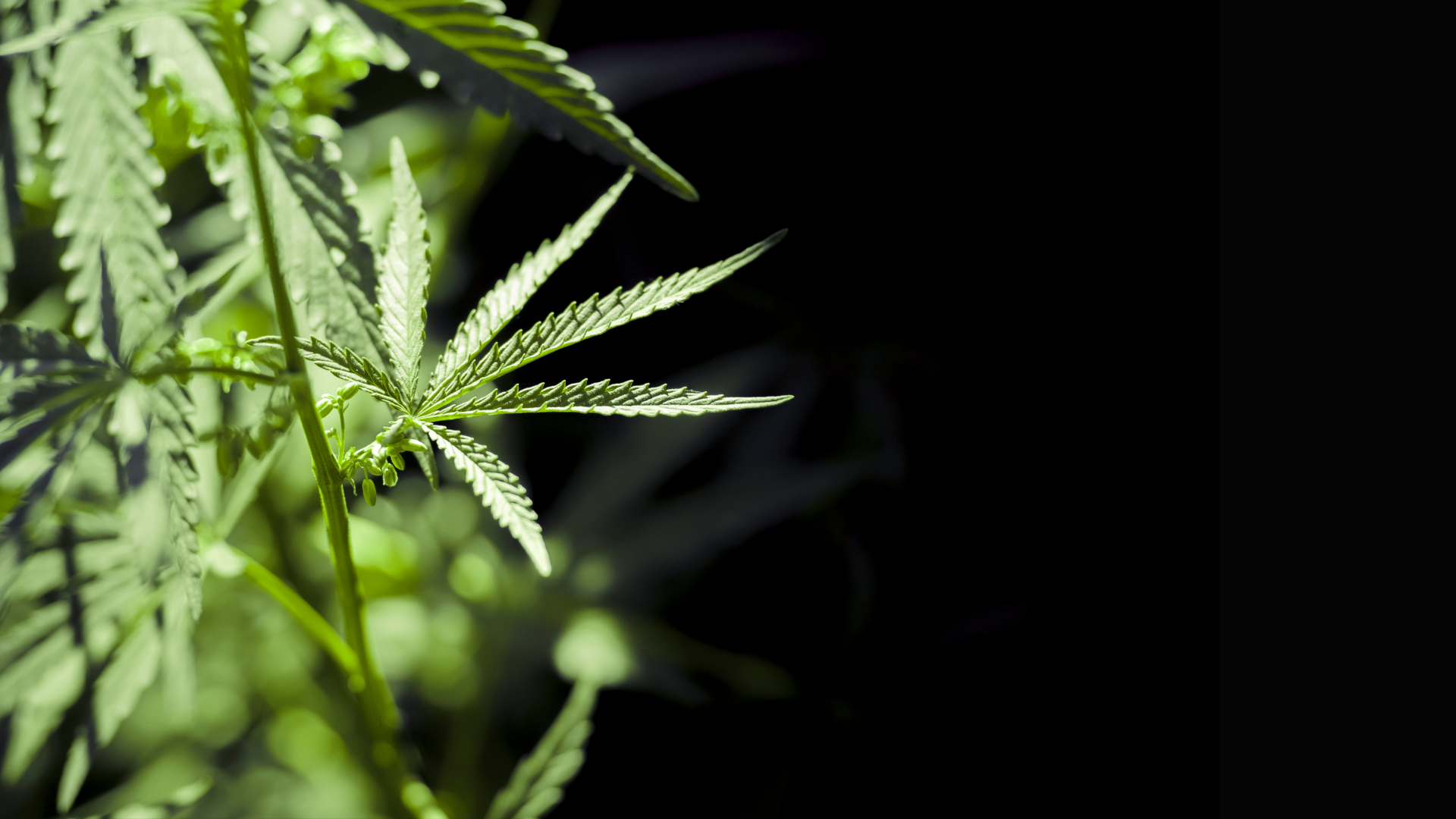
CBD, also known as cannabidiol, is one of many compounds that occur naturally in the hemp plant. Its role is to interact with the body's endocannabinoid system, a complex network of receptors and signaling pathways responsible for maintaining balance and homeostasis in the body. This system plays a crucial role in many physiological processes, including the regulation of mood, sleep, and pain perception. Through interaction with this system, CBD can potentially help restore balance in the body and thereby alleviate symptoms such as those of a depressive disorder.
CBD and its effect on depressive episodes
Research shows that cannabidiol could modulate the function of serotonin receptors in the brain, similar to certain antidepressants. This interaction could explain why CBD users experience an improvement in their mood and a reduction in anxiety symptoms. Additionally, it could affect neuroinflammatory processes through its anti-inflammatory properties, which play a role in some types of depression.
Although research on cannabidiol and its impact on depressive disorders is still in its early stages, the findings so far are promising. Further extensive clinical studies are required to fully understand the effects of cannabidiol on depression. Nevertheless, it is viewed by many as a hopeful, natural complement to traditional treatment methods, especially for those seeking alternative or complementary therapeutic approaches.
Science and research: What do the studies say?
2018 confirmed: The antidepressant effect of CBD
In 2018, an important breakthrough was achieved through scientific research that confirmed the antidepressant properties. The study published that year showed that it is capable of producing rapid and sustained antidepressant effects. This discovery marked a significant advance in understanding the potential therapeutic applications of cannabidiol, particularly regarding the treatment of depression. The research results demonstrated that CBD could be effective in modulating mood and emotions, making it a promising option for those seeking alternative treatments for depressive conditions.
Although these results provide a strong foundation for the antidepressant effects of CBD, it was emphasized that further research is necessary to fully understand the exact mechanisms and effectiveness in humans. Nevertheless, the results from 2018 offered a hopeful outlook and opened new pathways for future research and application of CBD in mental healthcare.
Clinical studies and their results
Although clinical studies are still in their infancy, there are already some that support the potential effectiveness of CBD in treating depression. These studies emphasize the need for further research to determine optimal dosage and application.
Application of CBD oil for depression
Dosage: How many mg of CBD is recommended?
The dosage of CBD can vary greatly individually. It is recommended to start with a low dose and gradually increase it until the desired effect is achieved. Some recommendations suggest starting doses in the range of 5 mg CBD per day.
Proper application and sleep-wake rhythm
Taking CBD can also positively influence the sleep-wake rhythm, which can be particularly helpful for depression, which often comes with sleep disorders. CBD oil is typically dropped under the tongue and should be used according to the manufacturer's instructions.

Experiences and reports from those affected
The use of CBD for various health complaints, particularly for mental conditions such as depression, has become increasingly important in recent years. Many people confronted with such challenges have decided to use CBD as part of their treatment and share their experiences to provide insight and hope to other affected individuals.
Personal stories: Positive changes through CBD
Individual reports from users who use the oil to alleviate their symptoms range from subtle improvements in general mood to significant changes in dealing with anxiety and depressive episodes. These personal narratives underscore the versatility of CBD and its ability to positively influence a range of complaints.
Report from CBD expert Bea Goldmann
Bea Goldmann, our expert in the field of CBD and holistic therapies, emphasizes the importance of an individualized approach when using CBD. According to Goldmann, it is crucial to consider the specific needs and circumstances of each individual. In her work with patients, she has observed that it is particularly effective when used as part of a comprehensive treatment plan that also includes nutrition, exercise, and psychological support.
Goldmann highlights that choosing the right CBD product and determining the optimal dosage are key elements for successful treatment. She recommends starting with a low dose and gradually increasing it to achieve the best possible results. Additionally, she emphasizes the importance of choosing high-quality products from trusted manufacturers to ensure the purity and effectiveness of the CBD.
In conclusion, Goldmann notes that despite the positive experiences and potential of CBD, careful consultation and monitoring by professionals is essential, especially for individuals who are already taking other medications or have chronic health problems.
CBD products and their properties
The selection: Different strengths
CBD products vary significantly in their concentrations, allowing for customized adaptation to users' individual needs and preferences. These different concentrations offer specific benefits that can be selected based on personal health goals and experience with CBD.
Low concentrations
- Ideal for beginners: Products with lower CBD concentration are perfect for beginners who want to familiarize themselves with CBD for the first time.
- Fine-tuning dosage: They allow for gradual adjustment of dosage to achieve optimal effect without the risk of overdosing.
- For mild complaints: Low-dosed CBD can be helpful for mild complaints such as everyday stress or light pain.
Medium concentrations
- Balance: Products with medium concentration offer a good balance between effectiveness and dosage control and are suitable for regular users.
- Versatility: They can be used for a wide range of applications, from mood improvement to pain relief.
- Adaptability: They allow for flexible adjustment of dosage, depending on the body's response and specific needs.
High concentrations
- Maximum strength: Highly concentrated CBD products are ideal for individuals with serious health conditions such as chronic pain, severe anxiety, or other serious health problems.
- Long-term effect: They offer long-lasting effects and are therefore useful for users seeking permanent relief.
- Less consumption per dose: Although they may be initially more expensive, users often need less product per dose, making them cost-effective in the long run.
Low side effects and important neurotransmitters
CBD is known for its low side effects, making it an attractive alternative to traditional medications. However, it's important to be aware that it can interact with other medications, so intake should always be discussed with a doctor.
Consultation and safety
Consultation with the attending physician
Before you try CBD, it's important to discuss this with your attending physician to ensure it's suitable for your individual situation and there are no interactions with other medications.
CBD can influence serotonin receptors in the brain, contributing to its potential antidepressant effect. However, this should not be explored without expert consultation.
Can CBD influence the effect of antidepressants?
Yes, CBD can potentially interact with the effect of antidepressants. It influences certain enzymes in the body that are also responsible for breaking down many antidepressants. Therefore, it's important to speak with a doctor before taking CBD, especially if antidepressants or other medications are already being taken.
How long does it take to feel an effect for depression?
The time until an effect becomes noticeable can vary. Some people report immediate relief of their symptoms, while for others it can take several weeks. It's important to be patient and gradually increase the dosage if necessary.
Is CBD a safe option for long-term use in depression?
CBD is generally considered safe for long-term use, especially compared to some conventional antidepressants that can cause dependency or serious side effects. However, long-term studies on CBD are still limited, so its use should always be under the supervision of a healthcare provider.
Can CBD also work preventively against depression?
There is some evidence that CBD might have preventive properties regarding stress and anxiety, which could indirectly contribute to preventing depression. However, research in this area is not yet conclusive, and CBD should not be considered as the sole means of preventing depression.
Are there specific forms of CBD recommended for treating depression?
CBD oil is the most common form for use in depression, as it's easy to dose and consume. Capsules are also a convenient option. It's important to choose high-quality products and pay attention to an appropriate CBD concentration.
Conclusion: Can CBD help with depression?
Current research and anecdotal reports suggest that CBD has the potential to contribute as part of a holistic approach to treating depression. However, it's important to have realistic expectations and seek professional medical advice.
Do you feel ready to explore CBD as part of your self-care? Visit our shop and find your suitable oil.

Leave a comment
This site is protected by hCaptcha and the hCaptcha Privacy Policy and Terms of Service apply.