

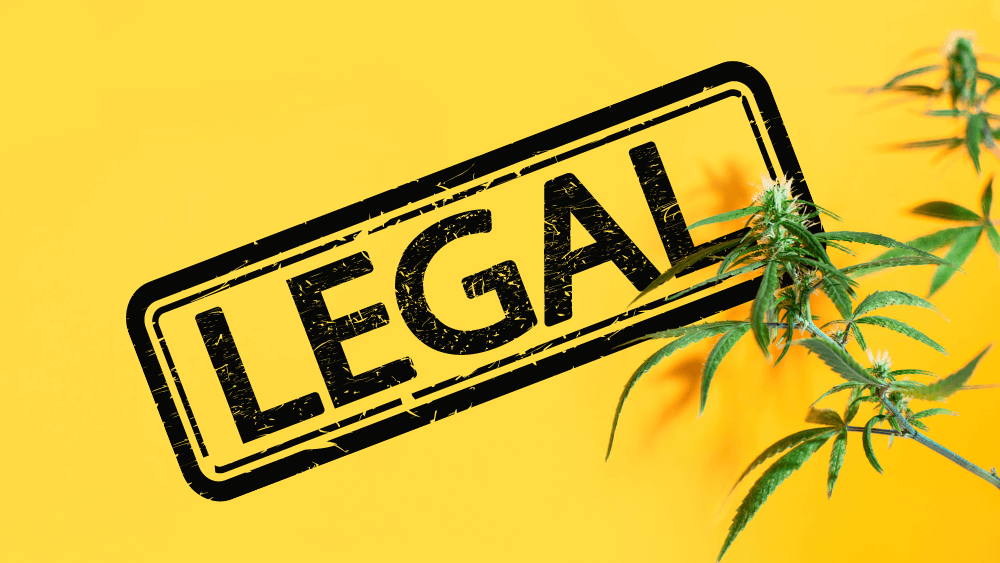

The discussion around the legalization of cannabis in Germany has a long and complex history. For years, supporters and opponents have engaged in intensive dialogue about the potential advantages and disadvantages of this measure. On one side are the arguments for decriminalization, which aim among other things at health protection, curbing the black market and responsible handling of cannabis. On the other side, critics warn about the possible risks of legalization, particularly with regard to the protection of children and adolescents and public health.
The today's decision by the Bundestag to legalize cannabis under certain conditions therefore marks a historic turning point. It is the result of a long political struggle and extensive dialogue between various social groups, political parties and expert specialists. The decision reflects a change in the social perception of cannabis and sets new standards for dealing with the substance in Germany.
Particularly noteworthy is the vote in the Bundestag, where a clear majority voted for the law. This underscores the broad political support for a new approach to dealing with cannabis. With legalization, the federal government pursues the goal of creating a controlled market that curbs illegal trade and provides consumers with a safe source.
The significance of today's decision cannot be overestimated. It signals not only a change in drug policy, but also an adaptation to changed social realities and a commitment to a pragmatic and health-oriented approach to cannabis.
The Bundestag's Decision
Today, after long debates and intensive public discussion, the Bundestag took a historic step: The legalization of cannabis for private use in Germany has been decided. In a roll call vote, 404 members of parliament voted for the law, while 226 voted against and four abstained
This vote reflects not only the broad political support for a new approach to dealing with cannabis, but also the recognition of the need to curb the illegal market and improve consumer protection. The law that has now been passed allows adults to possess up to 50 grams of cannabis for personal consumption in private spaces and up to 25 grams in public spaces. In addition, home cultivation of up to three cannabis plants is permitted.
Support came mainly from the ranks of the governing parties, which emphasized the need to modernize drug policy. The opposing votes, primarily from the CDU/CSU and AfD ranks, reflect ongoing concerns about the impact of legalization on public health and safety. Despite the opposing votes and the emotionally charged debates leading up to the vote, the majority of the Bundestag clearly spoke out in favor of legalization, a step that many view as an overdue reform.
The decision is thus a clear commitment to a pragmatic and health-oriented approach to cannabis and sets a sign for forward-looking drug policy in Germany.
Key Elements of the Cannabis Law
The cannabis law passed by the Bundestag today sets new standards in Germany's drug policy and includes several key elements aimed at regulating consumption while improving health protection.
Possession Limits
Adults may now legally possess up to 50 grams of cannabis in private spaces and up to 25 grams in public spaces. This regulation is intended to enable adult consumers to legally acquire and consume cannabis while creating a framework that restricts abuse.
Home Cultivation
The law permits home cultivation of up to three cannabis plants for personal use. This provision aims to provide citizens with a controlled way to produce cannabis for their own needs without relying on the black market.
Non-Commercial Cultivation Associations
In addition to home cultivation, the law also permits the establishment of non-commercial cultivation associations that may grow cannabis for their members. These associations are limited to a maximum of 500 members who must have their residence or habitual residence in Germany. Within these associations, cannabis may only be distributed to members in limited quantities, under strict conditions regarding membership and age.
Protection Measures for Children and Adolescents
A key concern of the law is the protection of children and adolescents. Cannabis may be given to young adults between 18 and 21 years only in limited quantities (maximum 30 grams per month) with a THC content limit of ten percent. In addition, protection zones of 100 meters are established around cultivation associations as well as schools, children's and youth facilities, children's playgrounds and publicly accessible sports facilities, where the consumption of cannabis is prohibited. Furthermore, there is a general advertising and sponsorship ban for consumer cannabis and cultivation associations to protect particularly young people from cannabis advertising.
These provisions of the cannabis law reflect the effort to promote responsible handling of cannabis, combat the black market and at the same time prioritize the protection of young people.
With the legalization of cannabis, the German federal government pursues a series of important goals aimed at both improving the public health system and curbing the black market. The expectations of the positive effects of this decision are diverse and touch various areas of society and the economy.
Federal Government Goals
- Improving health protection: By regulating the cannabis market, a safer environment for consumers should be created. Products that can be legally purchased are subject to strict quality controls, making consumption safer as contamination or unclear THC levels are avoided.
- Curbing the black market: A regulated market removes the foundation from the black market. This not only leads to a decline in criminal activities in this area, but also enables tax revenues to flow into public coffers instead of the black market.
- Strengthening education and prevention: The new laws are also associated with strengthening educational work. The goal is to educate particularly young people about the risks of cannabis consumption and support preventive measures.
Expected Positive Effects
- Economic upswing: The legalization of cannabis opens new economic opportunities, from creating jobs in cultivation, processing and distribution to new business models around recreational and medicinal cannabis.
- Increasing tax revenue: The taxation of cannabis products can lead to a significant increase in tax revenue that can be used for public projects, education and health care.
- Promoting scientific research: With legalization, research in the field of cannabis and its active ingredients can also be advanced. This can lead to the development of new medical treatment methods in the long term.
- Reducing the burden on the justice system: By decriminalizing cannabis possession and consumption, the judiciary and police are relieved, freeing up resources to combat more serious crime.
The legalization of cannabis in Germany thus represents not only a change in drug policy, but has the potential to have comprehensive positive effects on society and the economy. While the exact effects can only be assessed in the future, it is clear that the decision represents a significant step toward a more modern, health-oriented and economically sustainable policy.
Reactions and Criticism
The legalization of cannabis in Germany has provoked a broad spectrum of reactions, ranging from strong support to determined criticism.
Supporters of legalization argue that the reform is overdue and brings many benefits, including improving health protection, curbing the black market, and creating new economic opportunities. They also emphasize the importance of education and prevention, which could be strengthened through legalization. Proponents see legalization as a progressive step that contributes to a more rational and evidence-based drug policy.
Critics of the decision, however, warn about the potential risks and side effects that legalization could bring. Main concerns include fears about possibly increased consumption among adolescents, the danger of trivializing cannabis consumption, and concerns about public health and safety. Some critics argue that resources would be better invested in prevention and education programs rather than legalization.
Outlook and Next Steps
In the final legislation, many of these concerns were addressed. The law includes specific protection measures for children and adolescents, including age restrictions, limitations on THC levels and protection zones around schools and other facilities. The regulation and control of the market aims to undermine illegal trade and ensure the quality and safety of products. Furthermore, it is emphasized that legalization is accompanied by strengthened education and prevention measures to inform the population about the risks of cannabis consumption.
The different positions on cannabis legalization reflect the complexity of the topic. While the reform is seen as an important step toward a more modern drug policy, the need remains to closely monitor the effects of legalization and adjust if necessary to ensure public health and safety.
After the historic decision to legalize cannabis in Germany, the complex phase of implementing the new law now begins. This phase includes developing specific regulations and guidelines for the sale, cultivation and consumption of cannabis, as well as establishing control and monitoring systems to ensure compliance with the law.
Implementation Phase
The government and responsible authorities will work in the coming months to create the infrastructural and regulatory foundations for the legal cannabis market. This includes licensing cultivation associations, regulating sales in licensed stores and establishing standards for product quality and safety. Additionally, information and education programs must be developed to educate the public about responsible cannabis use.
Planned Evaluations
The law provides that its effects on society, health and crime will be regularly evaluated to ensure that the intended goals are achieved. These evaluations will provide important data that can serve as the basis for possible adjustments or further developments of the law.
Challenges and Opportunities
The legalization of cannabis brings both challenges and opportunities. Among the challenges is ensuring that the transition to the legal market proceeds smoothly and does not lead to an increase in abuse, especially among adolescents. Combating the remaining black market will also be an ongoing task.
At the same time, legalization offers the opportunity to curb illegal trade and protect public health through controlled and safe products. It also opens new economic perspectives, from creating jobs to new tax revenues that can be invested in prevention and educational work.
The coming years will be crucial for assessing the long-term effects of cannabis legalization in Germany. While implementing the law will undoubtedly involve challenges, it also offers the opportunity to positively shape a historic change in drug policy.
Conclusion
With the passage of the law legalizing cannabis in Germany, the country enters uncharted territory. This decision marks a historic turning point that has the potential to sustainably change the social and economic landscape. The introduced regulations reflect a balanced approach that prioritizes the protection of public health, especially of children and adolescents, while also recognizing the opportunities of a legalized and regulated cannabis economy.
The challenges that implementing the law brings should not be underestimated. However, the planned evaluations and the possibility of adjusting regulations offer the chance to respond to undesirable developments. It is a bold step that opens the door to a modern drug policy based on education, prevention and control, rather than prohibition and criminalization.
The positive expectations of legalization – from curbing the black market to increasing tax revenue to promoting scientific research – offer many incentives to shape this path carefully and responsibly. The legalization of cannabis in Germany is thus more than just a law; it is a social mandate to embark on a new path in dealing with cannabis that keeps the welfare of all citizens in mind.



Leave a comment
This site is protected by hCaptcha and the hCaptcha Privacy Policy and Terms of Service apply.