

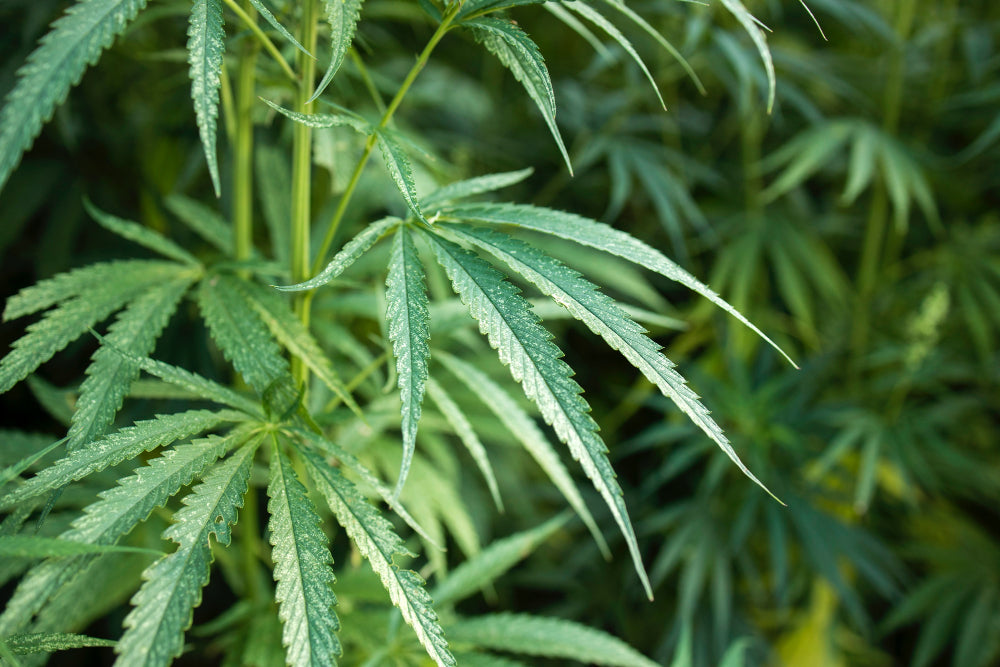

The flowering phase is one of the most exciting and simultaneously critical phases in the life cycle of a cannabis plant. During this phase, the flowers develop that are ultimately harvested and used. This blog post gives you a comprehensive overview of the flowering phase of cannabis and helps you get the best out of your plants.
What is the flowering phase?
The flowering phase begins when the cannabis plant transitions from the vegetative phase to the bud growth phase. This is normally triggered by a change in the light cycle – from 18 hours of light and 6 hours of darkness (18/6) to 12 hours of light and 12 hours of darkness (12/12). During this phase, the plant focuses on forming flower clusters that are rich in cannabinoids and terpenes.
Why is the flowering phase important?
The flowering phase is crucial for the quality and quantity of the harvest. During this time, the trichomes develop, which contain the valuable cannabinoids like THC and CBD. A successful flowering phase leads to resin-rich, potent buds that exhibit both therapeutic and psychoactive properties. However, mistakes during this phase can lead to reduced yields and lower quality.
Preparing for the Cannabis Flowering Phase
Thorough preparation for the flowering phase is the key to success. From proper planning to acquiring the necessary equipment, every measure contributes to ensuring your plants thrive optimally.
The right time to begin
The right time to initiate the flowering phase depends on several factors, including the strain type and growing conditions. Typically, growers switch the light cycle to 12/12 once the plants have reached sufficient size and are strong enough to support the weight of the flowers. An early start can lead to smaller yields, while starting too late increases the risk of mold and diseases.
Necessary equipment and materials
For a successful flowering phase, you need specialized equipment and materials. This includes high-quality lighting systems such as HPS or LED lamps that ensure an optimal light cycle. Additionally, special flowering fertilizers rich in phosphorus and potassium are required. Other important materials include pH and EC measuring devices, fans for air circulation, and protective agents against pests and diseases.
Changes During the Cannabis Flowering Phase
During the flowering phase, the plants undergo several crucial changes that shape their development cycle. These changes are essential for the formation and maturation of the flowers.
The stretch phase
At the beginning of the flowering phase, cannabis plants experience a growth phase known as the stretch phase. During this time, plants can double their height. This rapid growth requires increased attention regarding light and nutrient supply. Adequate lighting and the right nutrient balance are crucial to keep the plants healthy and vigorous.
Formation and development of flowers
After the stretch phase, the plants focus on developing the flowers. In the following weeks, flower clusters form that become increasingly larger and denser. The trichomes, the resin-producing glands of the plant, begin to appear and contain the valuable cannabinoids and terpenes. Continuous monitoring of the plants for signs of nutrient deficiencies or diseases is particularly important during this phase to ensure harvest quality.
With this structure and accompanying information, you are well-equipped to successfully guide your cannabis plants through the flowering phase and achieve a high-quality harvest.
Caring for Your Cannabis Plants During the Flowering Phase
Proper care of your cannabis plants during the flowering phase is crucial to achieving a rich and high-quality harvest. This phase requires special attention regarding light, watering, and nutrient supply.
Light and illumination requirements
Light is one of the most important factors during the flowering phase. A 12/12 light cycle (12 hours light, 12 hours darkness) is crucial to promote flowering. High-quality lighting systems such as HPS or LED lamps are ideal as they provide the necessary light spectrum that the plants need. Make sure the lamps are evenly distributed and all plants receive adequate light. Too close a light distance can cause burns, while too little light can impair growth.
Watering and nutrient supply
During the flowering phase, the water and nutrient needs of your plants change. They require less nitrogen and more phosphorus and potassium. Use special flowering fertilizers that meet these needs. Be careful not to overwater the plants, as this can lead to root rot. Allow the top layer of the substrate to dry slightly between waterings. The pH values of the water should be between 6.0 and 6.5 to ensure optimal nutrient uptake.
Monitoring and Problem Detection in the Flowering Phase
Regular monitoring and quick problem detection are crucial to ensure the health and productivity of your plants during the flowering phase.
Control of pests and diseases
Pests and diseases can cause significant damage to your plants, especially during the flowering phase. Watch for signs of pest infestation such as spider mites, aphids, or thrips. Yellowish spots, deformed leaves, or fine webs can be early indicators. Use biological pest control agents or natural enemies like ladybugs to keep pests in check. Regularly inspect leaves, stems, and flowers for signs of diseases such as powdery mildew or botrytis (gray mold).
Monitoring trichome ripening
Monitoring trichome ripening is crucial to determine the optimal harvest time. Trichomes are the tiny, resin-filled glands on the flowers that contain the valuable cannabinoids. With a microscope or magnifying glass, you can check the color of the trichomes. When most trichomes are milky-white and some are amber-colored, this is a sign that the plant is ready for harvest. Transparent trichomes indicate that the plant still needs more time to reach its full potency.
Harvesting and Post-Processing Cannabis Flowers
The harvest timing and post-processing are crucial for the quality and flavor of your cannabis flowers.
Determining the optimal harvest time
The optimal harvest time is determined by the maturity of the trichomes. Early harvesting can lead to less potent flowers, while harvesting too late can reduce the THC content. Make sure to harvest the plants in the early morning hours when the cannabinoid concentration is highest. Cut the plants carefully and avoid damaging the delicate flowers.
Drying and curing the flowers
After harvest, the flowers must be thoroughly dried and cured to maximize flavor and potency. Hang the flowers upside down in a well-ventilated room at a temperature of 18-24°C and humidity of 45-55%. The drying process normally takes 7-10 days. After drying, the flowers should be cured in airtight containers at 60-65% humidity for at least two weeks. This improves the aroma and ensures even moisture distribution.
With these detailed steps and proper care, you can ensure that your cannabis flowers are of the highest quality and provide an incomparable experience.

Leave a comment
This site is protected by hCaptcha and the hCaptcha Privacy Policy and Terms of Service apply.