

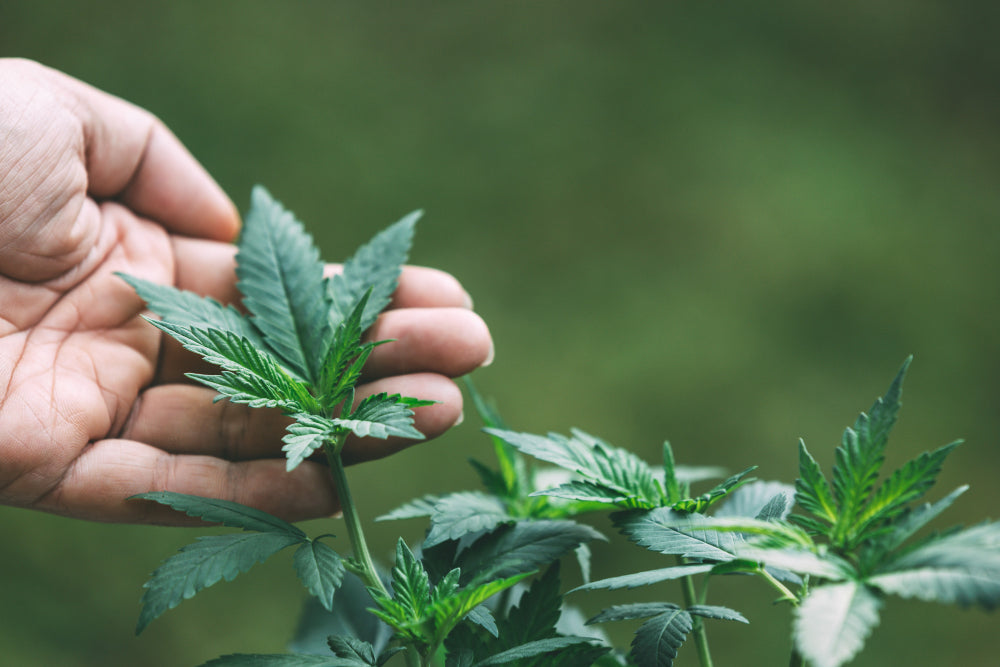

In the field of alternative medicine and psychology, cannabinoids like 10-OH-HHC and CBD have proven to be promising substances. Both compounds offer potential health benefits, but differ in their chemical structure and mode of action. In this article, we will examine the effects and differences between 10-OH-HHC and CBD more closely to help you make an informed decision.
What is 10-OH-HHC?
10-OH-HHC (10-Hydroxy-Hexahydrocannabinol) is a semi-synthetic cannabinoid that is created through the modification of HHC (Hexahydrocannabinol). This compound is known for its mild psychoactive effects and is often used as an alternative to THC. Users report slight to moderate relaxation and pain relief, without the intense psychoactive effects of THC.
What is CBD?
CBD (Cannabidiol) is a non-psychoactive cannabinoid that is mainly extracted from the hemp plant. It has gained significant popularity in recent years due to its versatile health benefits, such as reducing anxiety and stress, alleviating pain, and its anti-inflammatory properties. Unlike THC and 10-OH-HHC, CBD does not cause a "high" and is therefore an attractive option for many people.
Chemical Fundamentals
Understanding the chemical fundamentals of 10-OH-HHC and CBD is crucial to recognize their different modes of action and areas of application.
The Chemistry Behind 10-OH-HHC
10-OH-HHC is created through the hydrogenation of THC and the addition of a hydroxyl group. This chemical modification gives 10-OH-HHC its unique properties. It interacts with cannabinoid receptors in the brain, particularly CB1, which leads to its mild psychoactive effects. However, the exact structure and binding affinity of 10-OH-HHC are still subject to research.
The Chemistry Behind CBD
CBD has a completely different chemical structure than 10-OH-HHC. It works primarily through interaction with CB2 receptors in the body's endocannabinoid system, which leads to its anti-inflammatory and pain-relieving effects. CBD also influences serotonin receptors, which explains its anxiolytic properties. Its non-psychoactive nature makes it a safe choice for many users.
Mode of Action
The mode of action of cannabinoids is a fascinating and complex topic that generates great interest in both psychology and medical research. Both 10-OH-HHC and CBD interact with the body's endocannabinoid system, but have different effects and applications.
Effects of 10-OH-HHC
10-OH-HHC is known for its mild psychoactive effects, which distinguish it from THC. This compound can produce slight to moderate feelings of relaxation and euphoria, without the intense psychoactive effects of THC. Users frequently report improved mood and reduced pain perception. Additionally, 10-OH-HHC shows anti-inflammatory properties, which potentially make it useful in treating chronic inflammation.
Effects of CBD
CBD is a non-psychoactive cannabinoid that has a variety of therapeutic effects. It is known for its calming properties, which can help reduce anxiety and stress. Furthermore, CBD has pain-relieving and anti-inflammatory effects, making it a popular choice for people with chronic pain and inflammatory conditions. Studies have also shown that CBD possesses neuroprotective properties and can be effective in treating neurological disorders such as epilepsy.
Application Possibilities
The application possibilities of 10-OH-HHC and CBD are diverse and offer a range of benefits for various health conditions. Here we consider the specific medical applications of these two cannabinoids.
Medical Applications of 10-OH-HHC
10-OH-HHC is increasingly being used in pain therapy due to its mild psychoactive and pain-relieving properties. It can be helpful in treating chronic pain, such as that occurring with arthritis or neuropathic pain. Furthermore, 10-OH-HHC can support the alleviation of symptoms of anxiety disorders and insomnia by having a calming effect and improving sleep quality.
Medical Applications of CBD
CBD has a broad range of medical applications and is frequently used to treat anxiety disorders, insomnia, and chronic pain. It is also used in treating epilepsy, particularly in children with difficult-to-treat forms of the disease. CBD has anti-inflammatory properties that make it useful in treating inflammatory diseases such as Crohn's disease and multiple sclerosis. Furthermore, newer research shows that CBD potentially has neuroprotective effects and could be beneficial in treating neurodegenerative diseases such as Alzheimer's.
By providing comprehensive information about the mode of action and application possibilities of 10-OH-HHC and CBD, we can help our customers make informed decisions and select the products best suited to their needs.
Differences Between 10-OH-HHC and CBD
The differences between 10-OH-HHC and CBD are significant and concern both their mode of action and their legal status. These distinctions are important for choosing the appropriate cannabinoid for specific needs and applications.
Psychoactive Effects and Non-psychoactive Effects
10-OH-HHC and CBD differ fundamentally in their psychoactive properties. 10-OH-HHC has mild psychoactive effects that can lead to slight to moderate euphoria. These properties make it an interesting option for those who want to use the benefits of cannabinoids without experiencing the intense psychoactive effects of THC.
In contrast, CBD is non-psychoactive. This means that CBD does not produce euphoric or intoxicating effects, making it an attractive choice for people who want to use the therapeutic benefits of cannabinoids without impairing their mental clarity. This is particularly relevant for people who use CBD to treat anxiety, stress, or chronic pain.
Legal Status and Availability
The legal status of 10-OH-HHC and CBD varies considerably and can influence the availability of these products. CBD derived from hemp and containing less than 0.3% THC is legal in many countries and easily available. In Germany and many other European countries, CBD products can be purchased freely as long as they comply with legal THC limits.
10-OH-HHC, on the other hand, is in a legal gray area. Since it is a derivative of HHC, its legal status may vary depending on the country and its specific cannabinoid laws. In some regions, 10-OH-HHC might be considered legal, while in others it could be classified as a controlled substance. Therefore, it is important to inform yourself about local laws before purchasing or using 10-OH-HHC.
Conclusion
The choice between 10-OH-HHC and CBD depends on various factors, including the desired effects and legal status. Both cannabinoids offer unique benefits that should be weighed according to individual needs and legal frameworks.
Summary of Differences
In summary, the main difference between 10-OH-HHC and CBD lies in their psychoactive properties. 10-OH-HHC offers mild psychoactive effects that can make it useful for certain therapeutic applications, while CBD as a non-psychoactive cannabinoid enables broader application without mental impairment. Additionally, the legal status of both substances varies, which influences their availability.
Recommendations for Users
For people who are interested in psychoactive effects and live in regions where 10-OH-HHC is legal, 10-OH-HHC could be an interesting option. It can be particularly helpful in alleviating pain and promoting relaxation. For those who prefer a non-psychoactive option, CBD remains the ideal choice, especially for treating anxiety, stress, and chronic inflammation. However, before purchasing or using 10-OH-HHC, users should always inform themselves about local legal regulations to avoid legal problems.
With this information, you can make an informed decision and select the cannabinoid that's right for you. Visit our shop to discover our selection of high-quality CBD products and potential 10-OH-HHC options.


Leave a comment
This site is protected by hCaptcha and the hCaptcha Privacy Policy and Terms of Service apply.