



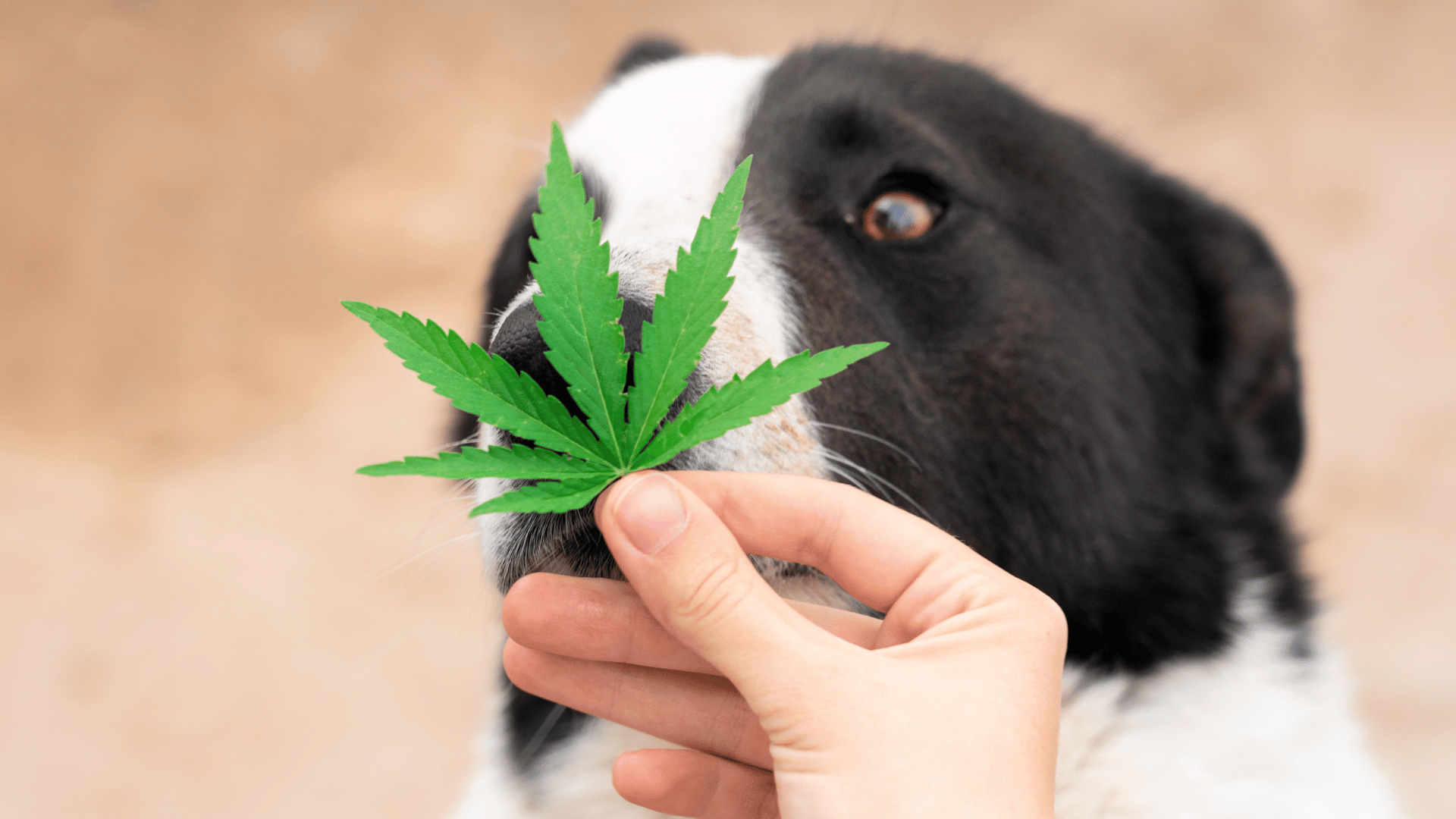
Have you ever wondered if dogs can break down THC, the psychoactive component of cannabis? This article will thoroughly address this question and provide you with all the necessary information to understand this topic.
What is THC?
THC, or Tetrahydrocannabinol, is the psychoactive component of cannabis responsible for the famous 'high' effect. For dogs, it's important to understand that THC is a substance found in cannabis that can pose a potential danger to their health. Dogs react differently to THC than humans, and it's therefore crucial to know how this substance can affect their body. While humans can build a certain tolerance to THC, dogs are more susceptible to the psychoactive effects of this substance due to their physiological differences. Therefore, it's particularly important to understand the dangers and possible health risks that THC can pose to our four-legged friends.
Can Tetrahydrocannabinol be dangerous for dogs?
Indeed, THC, the psychoactive component of cannabis, poses potential dangers for dogs. It's essential to consider that dogs react to THC in a way that differs significantly from human reactions. Differences in metabolism and biological processing can lead to unpredictable side effects. Dogs have a faster metabolic rate and lower body mass than humans, which can lead to higher concentrations of THC in the blood.
Symptoms of THC exposure in dogs include confusion, vomiting, loss of appetite, and uncoordinated movements. Depending on the dog's size and age, as well as the amount of THC consumed, these symptoms can vary in severity. Additional possible symptoms include dilated pupils, diarrhea, and increased sensitivity to light and sounds. In severe cases, dogs can fall into a coma.
THC exposure can not only seriously affect a dog's health but can also cause permanent behavioral changes. Therefore, it's of great importance to be aware of the possible risks associated with exposing dogs to THC in order to protect the health and well-being of our beloved pets.
THC Breakdown in Dogs' Bodies
The breakdown of THC in the human body is a complex process that primarily takes place in the liver. When someone consumes tetrahydrocannabinol, whether through smoking, vaping, or eating cannabis-containing products, this psychoactive cannabinoid enters the bloodstream. From there, it's transported to the liver.
In the liver, tetrahydrocannabinol is converted into various metabolites or breakdown products. An important metabolite is 11-Hydroxy-THC, which is also psychoactive and contributes to the effects of cannabis. Another significant metabolite is the non-psychoactive 11-Nor-9-Carboxy-THC (THC-COOH). This is often detected in drug tests because it can remain in the body for a long time.
After the cannabinoid and its metabolites are processed in the liver, they are returned to the bloodstream. From there, they reach the kidneys, where they are excreted in urine. This excretion process can take some time and varies from person to person.
Differences in Metabolism Between Dogs and Humans
Dog metabolism differs significantly from that of humans, especially when it comes to breaking down THC. While both humans and dogs possess an endocannabinoid system, this system reacts differently to tetrahydrocannabinol in each species.
First, the speed of metabolism in dogs is generally faster than in humans. This means that substances, including THC, tend to be processed more rapidly in dogs' bodies. This could result in the psychoactive effects of THC subsiding faster in dogs than in humans.
Another important difference lies in the enzymes responsible for breaking down THC. Dogs have a higher concentration of the enzyme Cytochrome P450 2C9 than humans. This enzyme plays a crucial role in breaking down tetrahydrocannabinol. Due to the increased activity of this enzyme, dogs can metabolize and break it down faster.
Furthermore, body mass affects THC breakdown. Since dogs are generally smaller than humans, the same amount of THC can have a more intense effect in their body. This is because the concentration of THC in a dog's bloodstream is higher relative to its body mass than in a human.
So can a dog break down THC?
Dogs have an endocannabinoid system, similar to humans, that is responsible for processing cannabinoids like THC. However, this breakdown occurs more slowly in dogs than in humans.
A significant difference is that THC can remain in a dog's body longer, which can lead to stronger effects. The dog's size and weight also play a role, as smaller dogs can be more sensitive to THC.
An individual dog's reaction to THC depends on various factors, such as its health condition and age. The metabolic products of THC in a dog's body can be different and have other effects.
In summary, dogs can break down THC, but not as efficiently as humans. It's important to recognize the potential risks that can be associated with exposing dogs to THC.
Can CBD help dogs?
The use of CBD as complementary therapy for dogs is becoming increasingly popular. Cannabidiol is a non-psychoactive compound from the hemp plant. Many pet owners report that CBD has helped their dogs with various health problems, including:
-
Pain relief: CBD may have anti-inflammatory properties, which can show supportive effects for chronic pain and arthritis.
-
Anxiety: Some dogs are prone to separation anxiety, noise phobias, or general nervousness. CBD can help them calm down and reduce stress.
-
Inflammation: Through its anti-inflammatory effects, CBD could help with inflammatory conditions such as skin allergies and digestive disorders.
-
Epileptic seizures: There is evidence that CBD as complementary treatment in dogs with epilepsy can reduce the frequency and intensity of seizures.
Although further research is needed to understand the full range of CBD effects on dogs, the studies and experience reports from pet owners to date show promising results. If you're considering giving your dog CBD, first consult your veterinarian to ensure proper dosage and application.
Some important points when using CBD for dogs:
- Quality: Choose high-quality products specifically developed for pets that contain no harmful additives.
- Dosage: Start with a low dosage and increase it only slowly to minimize possible side effects.
- Monitoring: Observe your dog's behavior closely and note changes to better assess treatment effectiveness.
The careful introduction of CBD, in consultation with a veterinarian, can be a safe and supportive option for your dog's well-being.

Conclusion
While dogs can break down the cannabinoid tetrahydrocannabinol to some extent, they cannot do so as efficiently as humans. Moreover, THC can be dangerous for dogs as they react differently to it.
It's crucial to understand the potential risks when dogs are exposed to THC and take the necessary steps to help them. We've also discussed the safer alternative, CBD, and how it can help dogs with various health problems.
Ultimately, it's our responsibility as pet owners to ensure that our dogs live in safe and healthy environments. The world of CBD products for pets offers a promising option to support the well-being of our four-legged friends. Discover our specially developed CBD oil for dogs. Remember to always handle THC-containing substances responsibly and prioritize your dog's health.


Leave a comment
This site is protected by hCaptcha and the hCaptcha Privacy Policy and Terms of Service apply.