


Inhaltsverzeichnis
- What is THC?
- A closer look at cats' metabolism.
- Is THC poisoning life-threatening for cats?
- How can poisoning be prevented and what should be done if poisoning is suspected?
- Why can some animals handle the intoxicant better than others?
- Can cannabis consumption by humans be dangerous if they have pets?
- Alternative pain relief methods for sick or stressed cats without using THC.
- Conclusion
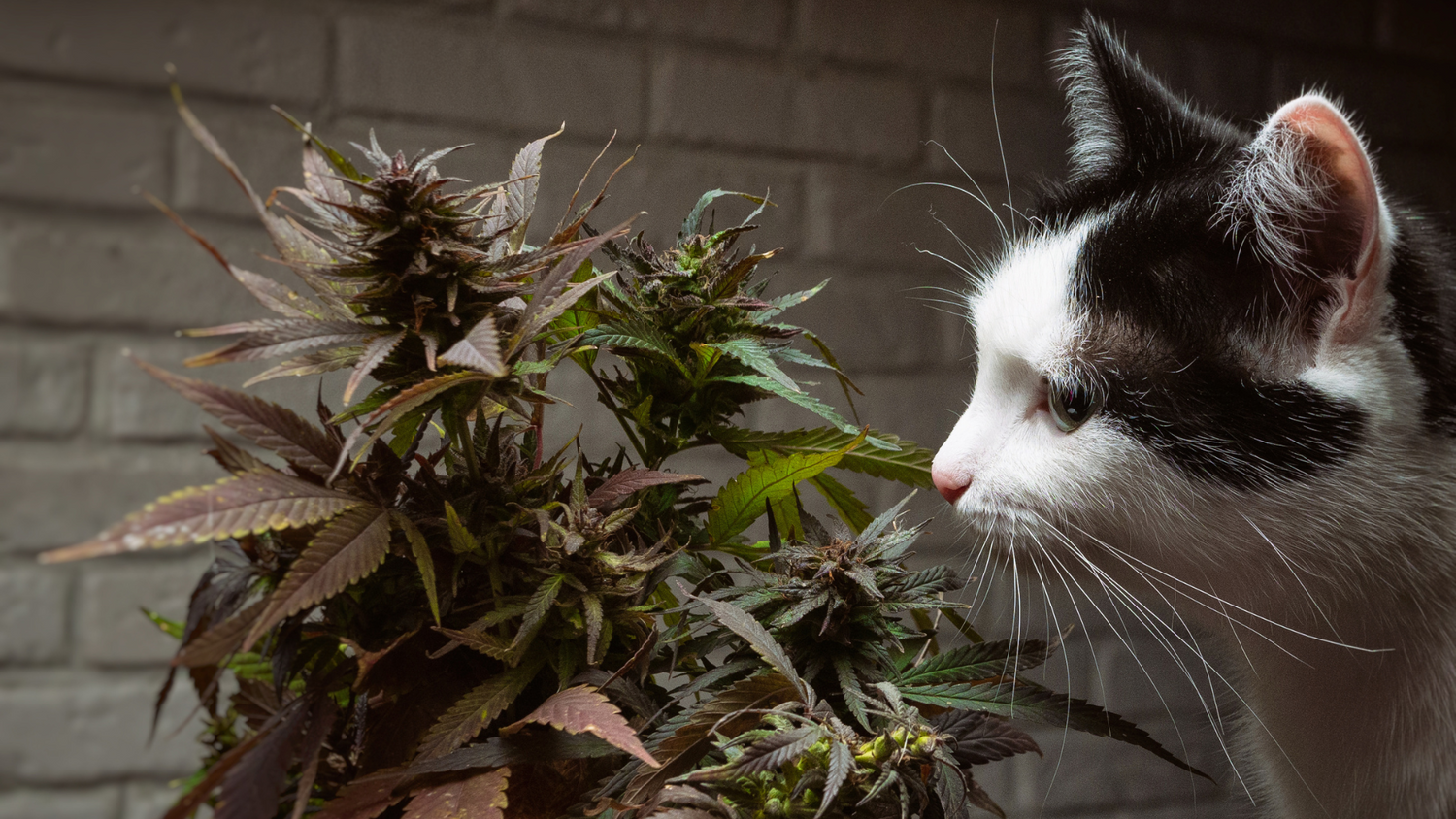
You've probably wondered whether cats can metabolize THC when they come into contact with cannabis products. Here you'll learn everything important about the effects of THC on cats and other pets, as well as the role of veterinarians in drug contact.
What is THC?
When we talk about THC, most people immediately associate this with drugs and the feeling of being "high." But what exactly is Tetrahydrocannabinol (THC)? THC is a psychoactive cannabinoid that occurs naturally in the cannabis plant. It is the main component responsible for the intoxicating effects of cannabis and is frequently used in products like marijuana cookies or as smokable material.
But how exactly does THC affect the human body? After consumption, THC binds to specific receptors in the brain known as cannabinoid receptors. This binding triggers a feeling of euphoria and relaxation that many users find pleasant. However, excessive consumption can also produce less desirable effects such as paranoia, anxiety, and hallucinations. These side effects are important to understand as they can affect health and well-being.
A particularly interesting aspect that is often overlooked is the question of how other mammals, such as cats, react to THC. Can cats actually metabolize and break down THC? We will address this question in detail in the following section.
A closer look at cats' metabolism.
A closer examination of cats' metabolism shows that they are indeed capable of breaking down THC. However, this happens more slowly than in humans and dogs. The effects on cats also differ from those on humans and dogs. Symptoms such as disorientation, balance disorders, or vomiting can occur. THC poisoning can be life-threatening for cats and should be treated immediately by a veterinarian.
To prevent poisoning, pets should have no contact with cannabis products such as cookies or smoke. If poisoning is suspected, quick action is important. Alternative pain relief methods without the use of THC should be considered. However, there are differences in breakdown between humans and animals, which is why some animals can handle the intoxicant better than others.
When cannabis is consumed by humans with pets, caution should be exercised and secure storage should be ensured. Overall, it shows: Yes, cats can break down THC – but there are risks to their health when in contact with the intoxicant, and veterinary treatment in case of poisoning is essential.
The effects of THC on cats: What symptoms can occur?
When it comes to effects on cats, it's important to know that cats cannot break down THC as effectively as humans. More on this below in the article. This is because their metabolism functions differently than the human one. If a cat accidentally comes into contact with THC – whether by eating cannabis products like cookies or through smoke – it can develop symptoms such as vomiting, trembling, and ataxia (coordination disorders). In severe cases, poisoning can be life-threatening and requires immediate veterinary help. It is therefore important to ensure that pets have no contact with drugs and that cannabis products are kept out of their reach. If you suspect that your cat has accidentally come into contact with THC, you should seek veterinary attention immediately. Fortunately, there are alternative pain relief methods for sick or stressed cats without using THC or other drugs. We recommend hemp oil that contains no THC content.
Is THC poisoning life-threatening for cats?
THC poisoning can be extremely dangerous and even life-threatening for cats. Symptoms such as vomiting, disorientation, balance disorders, or even seizures can occur and should definitely be taken seriously. A cat that has come into contact with THC needs immediate veterinary help as the effects can escalate quickly.
To avoid poisoning, pet owners should ensure that their cats have no access to products containing cannabis, such as cookies or smoke. Indirect contact through passive smoke should also be avoided. Cats are sensitive to the psychoactive effects of THC, and even small amounts can cause severe symptoms.
Alternatives for pain relief in sick or stressed cats without THC are available. These include, for example, CBD products that have no psychoactive effects. However, these and other methods should always be discussed with a veterinarian to ensure they are suitable for the particular cat.
It is important to handle products containing cannabis responsibly to ensure the welfare of our pets. In our shop, we offer high-quality CBD products for cats that can represent a gentle and safe alternative.
How can poisoning be prevented and what should be done if poisoning is suspected?
To prevent poisoning in cats, it is important that cat owners handle cannabis-containing products extremely responsibly. Cannabis products should always be stored out of reach of pets, ideally in a place that the cat cannot reach. Additionally, it is important not to leave remnants of cookies or other products with THC content lying around, as even small amounts can be dangerous for cats.
Should poisoning be suspected, it is of utmost importance to contact a veterinarian as quickly as possible. The symptoms of poisoning can vary from cat to cat and range from disorientation and vomiting to seizures and unconsciousness. An untreated poisoning can be life-threatening for the affected cat, therefore rapid medical treatment is essential.
It is therefore advisable to always be extremely careful when handling drugs and cannabis-containing products, especially when pets live in the household. When in doubt, it is always recommended to consult the veterinarian and resort to alternative pain relief methods without using THC.
Why can some animals handle the intoxicant better than others?
When it comes to breaking down THC, there are some differences between humans and animals. While humans break down THC relatively slowly, certain animals like cats or dogs can process the intoxicant significantly faster. This is because they have a different metabolic rate and their body reacts differently to THC than the human organism. However, this does not automatically mean that animals can handle cannabis products better than humans. On the contrary: the effects of THC on pets can be very strong and lead to serious health problems.
Therefore, it is important as a pet owner to be aware of the dangers of contact with cannabis products and to consult a veterinarian if you think your pet may have been poisoned. Even though alternative pain relief methods without using THC exist, one should always handle the consumption of drugs like cannabis responsibly as a human – especially when having pets.
Can cannabis consumption by humans be dangerous if they have pets?
If you have pets as a human and consume cannabis, you should be extremely careful. Although cats can break down THC, cannabis consumption is not harmless for them. If your cat accidentally comes into contact with your products or inhales smoke, this can lead to poisoning. Symptoms can range from confusion and disorientation to seizures and even coma. THC poisoning can be life-threatening for cats, so a veterinarian should be contacted immediately if poisoning is suspected.
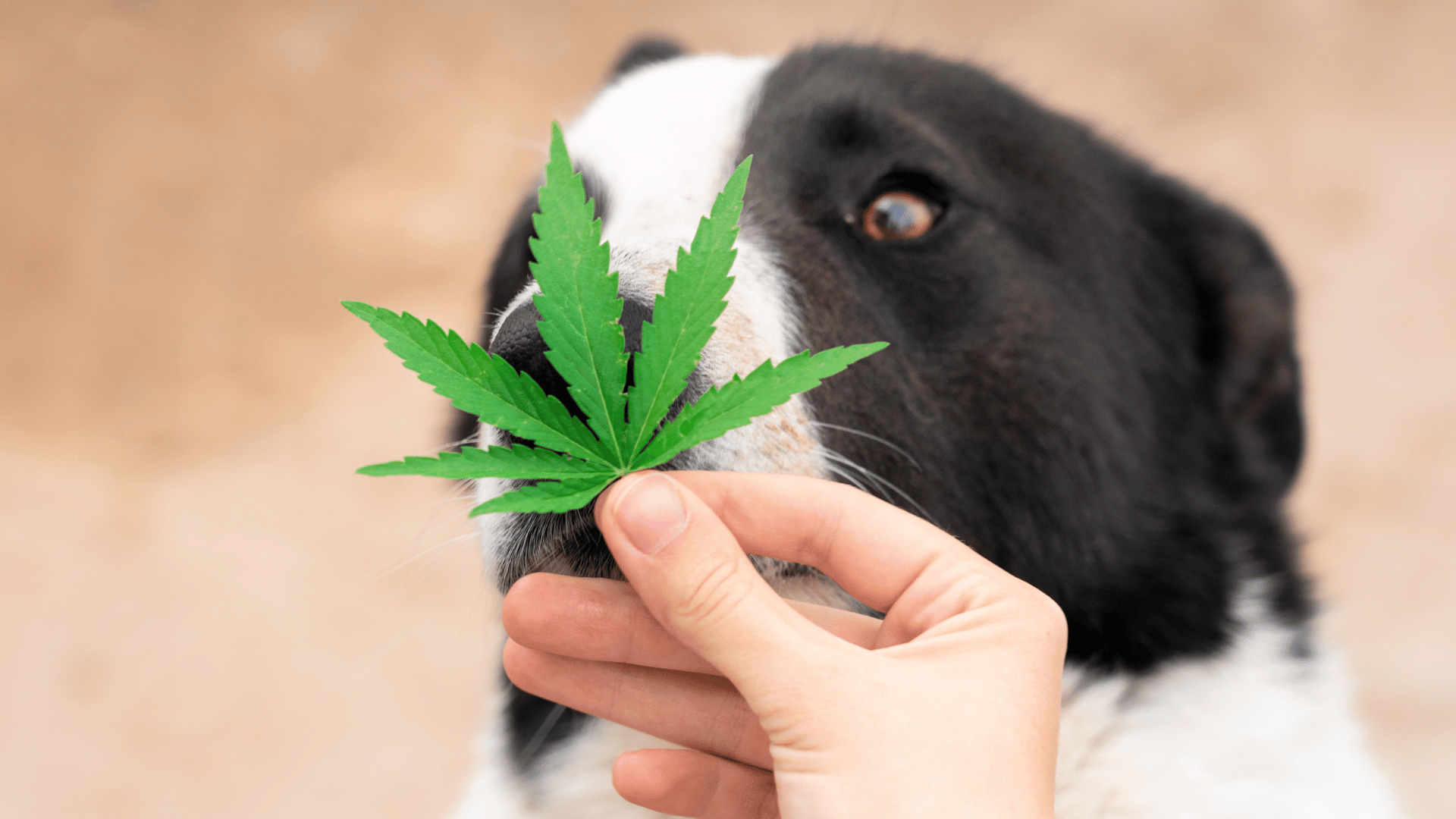
It is important to note that dogs are also susceptible to THC poisoning. To minimize the risk of poisoning, you should ensure that your products are stored safely away from pets. Even though it may be tempting to give your sick or stressed cat cookies with THC or CBD for pain relief, you should instead consider alternative pain relief methods. These include, for example, special veterinary medications or behavioral changes to reduce stress.
Furthermore, it is important that you know the laws and regulations in your region regarding the possession and consumption of cannabis products, especially if you have pets. Responsible handling of cannabis is important not only for your own health but also for the safety and well-being of your beloved pets.
Alternative pain relief methods for sick or stressed cats without using THC.
When you have a sick or stressed cat, it's understandable that you look for alternatives for pain relief. There are many products on the market that contain cannabis or THC and claim to relieve pain. Since cats cannot break down THC well, it is important to find alternative methods of pain relief. One possibility would be hemp oil for cats, which has no psychoactive effect and is therefore safe for pets. Homeopathic remedies can also help, but you should always contact a veterinarian beforehand.
Some people even recommend homemade cookies with natural ingredients as an alternative to medication. However, it is important to emphasize that each case should be considered individually and a consultation with a veterinarian may be necessary. Ultimately, there are many possibilities for pain relief in cats without using THC or other drugs. You just have to be willing to invest time and effort to find the best solution for your beloved pets.
Conclusion
After we have extensively dealt with the question of whether cats can break down THC, it has become clear that this is a complicated matter. THC can be detectable in the body for a long time in both animals and humans. Despite some differences in the breakdown of THC between humans and animals, pet owners should always ensure that their animals have no contact with cannabis products. Poisoning by tetrahydrocannabinol can be life-threatening and requires immediate treatment by a veterinarian.
However, there are alternative pain relief methods for sick or stressed cats without using THC, such as CBD oil or special cookies. In summary, cats can indeed break down tetrahydrocannabinol, but they should never consciously come into contact with drugs. As a responsible pet owner, it is important to ensure that you protect your animals from potentially dangerous substances and instead focus on safe and pet-friendly methods for pain relief.

Leave a comment
This site is protected by hCaptcha and the hCaptcha Privacy Policy and Terms of Service apply.